
Arrest Records and Court Charges
An arrest record is the law-enforcement and jail-side record of the arrest itself. Court charges are filed later in court and become part of the criminal case file. In Yellow Medicine County, the Sheriff's Office and county jail tell you who was booked, while the district court tells you what charges were actually filed.
Inmate records cover the roster side, and criminal court records cover the full case file.
How to Find Arrest Records and Charges
Start with the county in-custody report if you want the arrest and booking side. Then move to MCRO or the district-court docket if you want the filed charges, hearing dates, or disposition. The arrest record and the court charge record overlap, but they are not the same document.
- Check the jail roster for booking and custody data.
- Search MCRO for the criminal case or citation number.
- Open the docket to read the filed charges and case events.
- Use Court Administration for official copies.
How Charges Get Filed After an Arrest
| Complaint | Information | Indictment | |
|---|---|---|---|
| Filed by | Officer or prosecutor | Prosecutor | Grand jury |
| Common for | Misdemeanors | Many felonies | Serious felonies |
| Purpose | Starts the case | Starts the case | Starts the case |
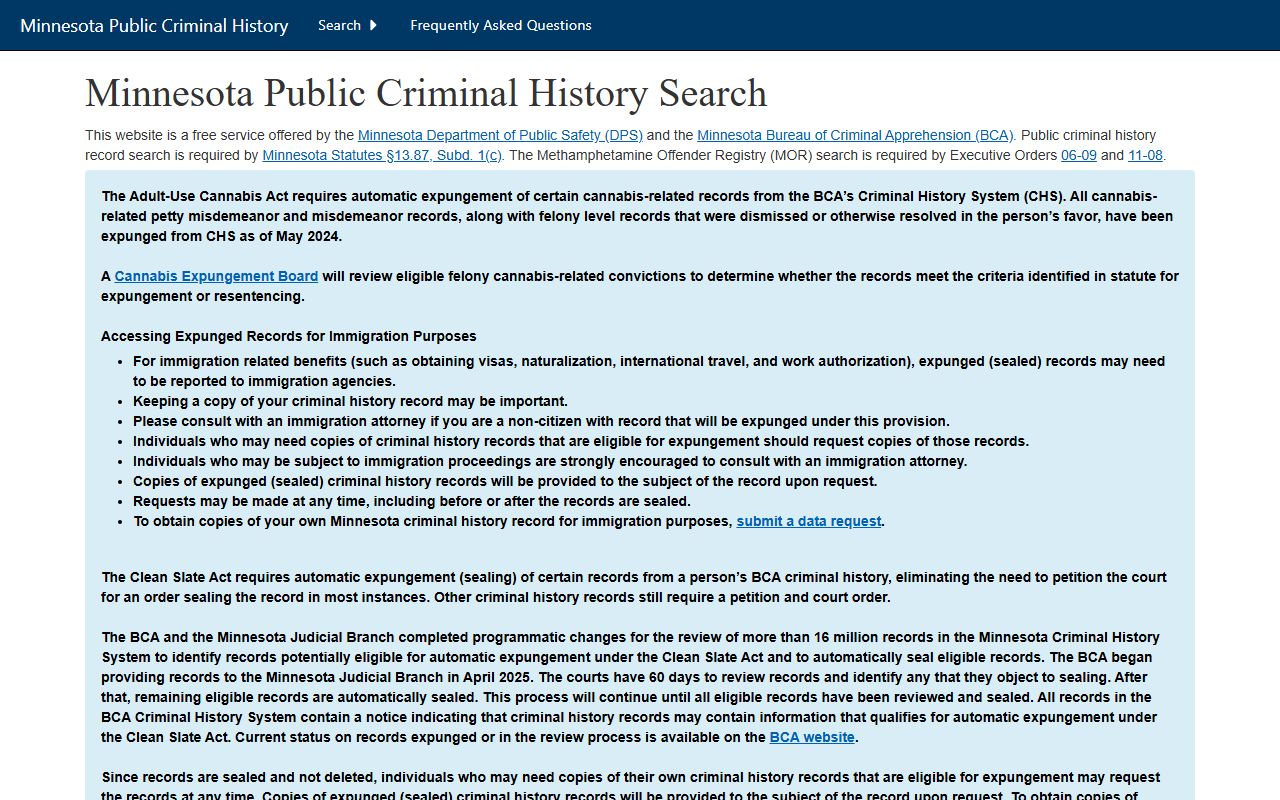
The state criminal-history system is separate from the court file, but it is part of the broader arrest-and-charge picture.
Charge Status
| Status | What It Means |
|---|---|
| Pending | The charge is still open. |
| Amended / reduced | The prosecutor changed the charging terms. |
| Dismissed | The charge was dropped. |
| Nolle prosequi | The prosecutor chose not to continue. |
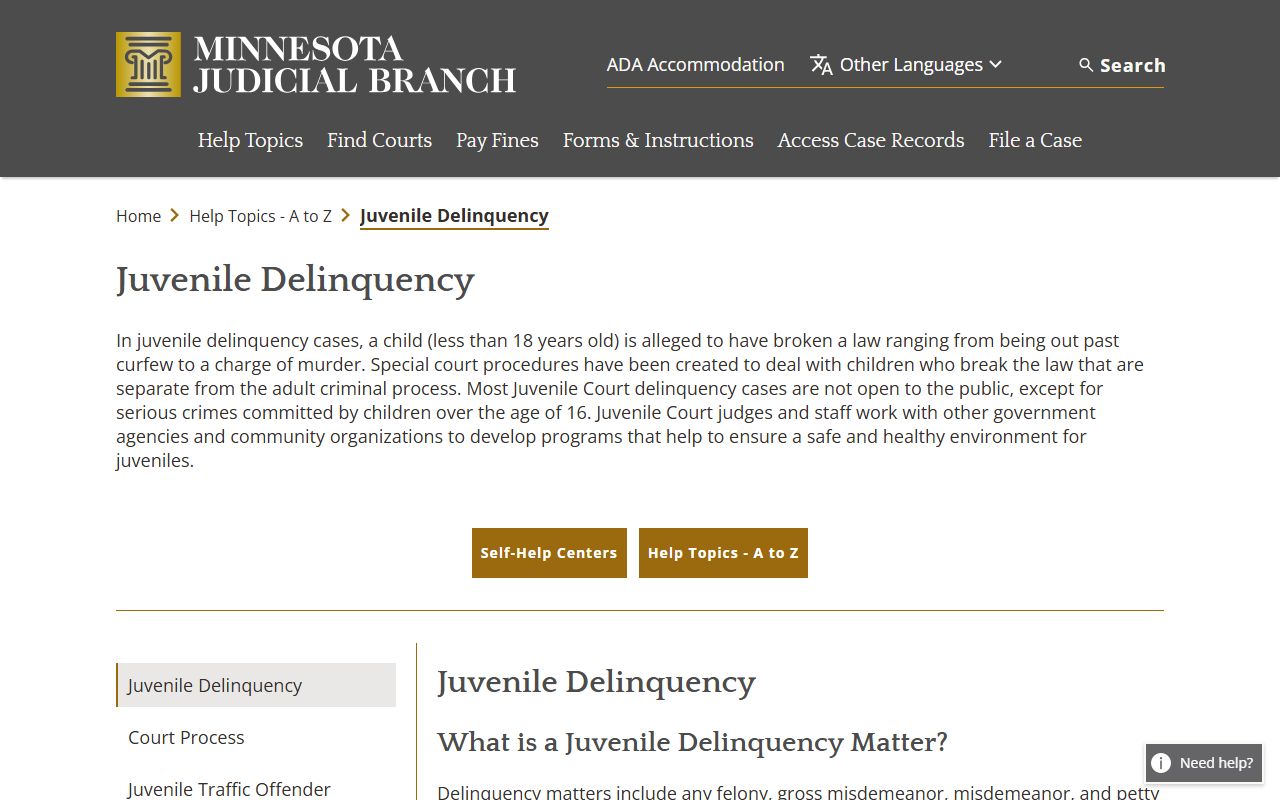
Juvenile and restricted cases can be much harder to see online, which is why the help-topic links matter.
Charges vs. Convictions
| Charge | Conviction | |
|---|---|---|
| Stage | Accusation | Verdict or plea result |
| Burden | Probable cause | Proof beyond a reasonable doubt |
| Public record | Often public | Public unless sealed or expunged |
Sealed vs. Expunged Records
Some arrest-related records are sealed by court order, and some later qualify for expungement under Minnesota law. Sealed means the public cannot normally see it; expunged means the record is restricted under the statutory process. Neither should be treated as a guarantee that every trace disappears from every system.
| Sealed | Expunged | |
|---|---|---|
| Visibility | Hidden from public | Restricted under statute or court order |
| Law enforcement | Limited access | Limited access |
| Next step | Court order review | Expungement review |
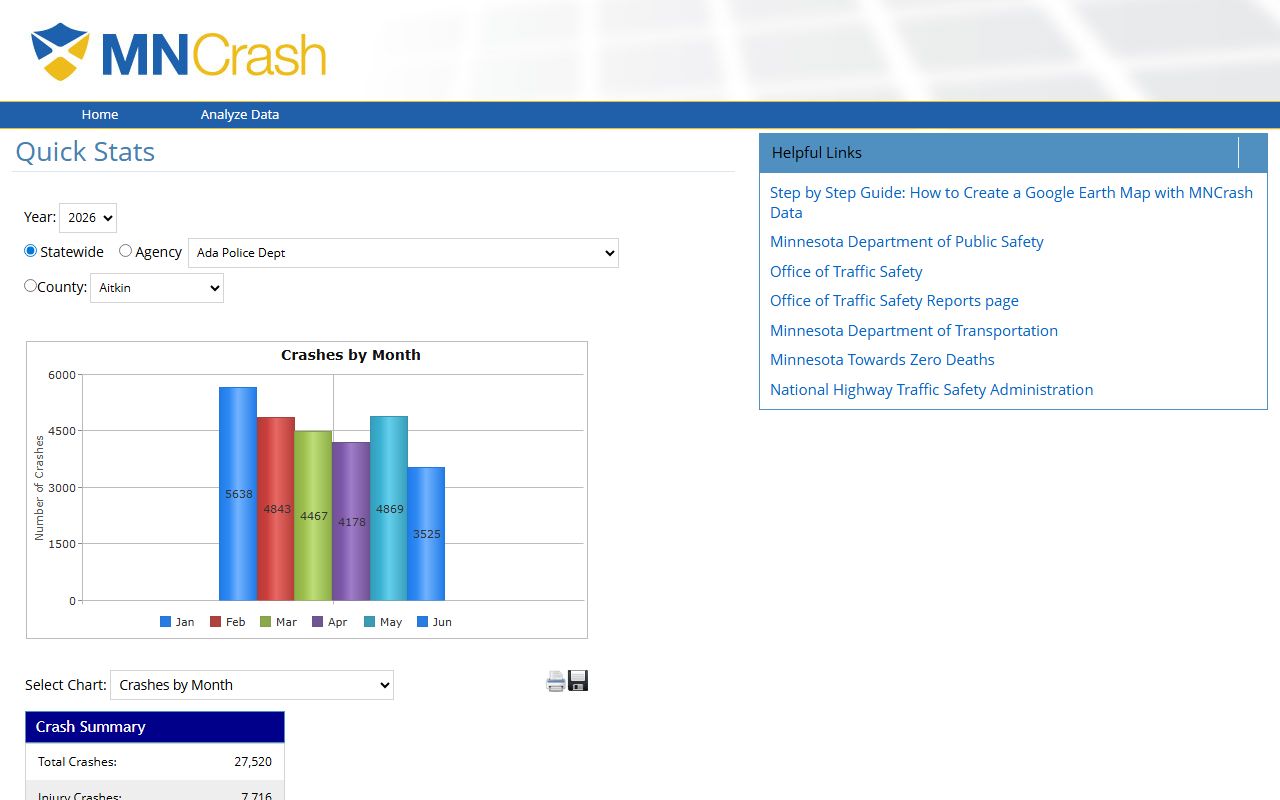
The crash-data portal is not a charge record, but it is another state source people sometimes confuse with the court file.
Restricted Charge Records
Juvenile charges, sealed files, and ongoing investigations may not be public the way adult convictions are. If you need a certified copy or want to confirm what is actually filed, use Court Administration rather than trying to infer everything from the jail roster.
County Office Context
The county attorney's office handles prosecution, and the sheriff handles booking and jail custody. That split is the reason arrest records and court charges are separate in practice even when they describe the same event.
Use the state criminal-history system only as a background-check reference; the district court record remains the legal case file.