
What Probate Covers in Yellow Medicine County
Probate includes the court process for settling a person's estate after death, appointing a personal representative, and handling property distribution. In Yellow Medicine County, those filings sit inside District Court rather than a separate probate court. Guardianship and conservatorship matters also travel through that same court structure when they are public.
The district court calendar may show probate hearings, and public docket entries may use terms like petition, appointment, letters, inventory, accounting, or distribution order.
Probate Terms Defined
- Testator
- The person who made the will.
- Executor
- The person named to carry out the will.
- Intestate
- Dying without a valid will.
- Personal representative
- The person appointed to administer the estate.
- Conservatorship
- Court supervision of another person's finances.
How to Search Probate Records
Start with MCRO Case Search and select the Probate or Mental Health category. Use Yellow Medicine County as the location when the filing county is known. If you already have a case number, MCRO Document Search can show public documents that are available online. Court Administration can help with certified copies and documents that do not appear remotely.
MCRO and probate forms are the official state starting points.
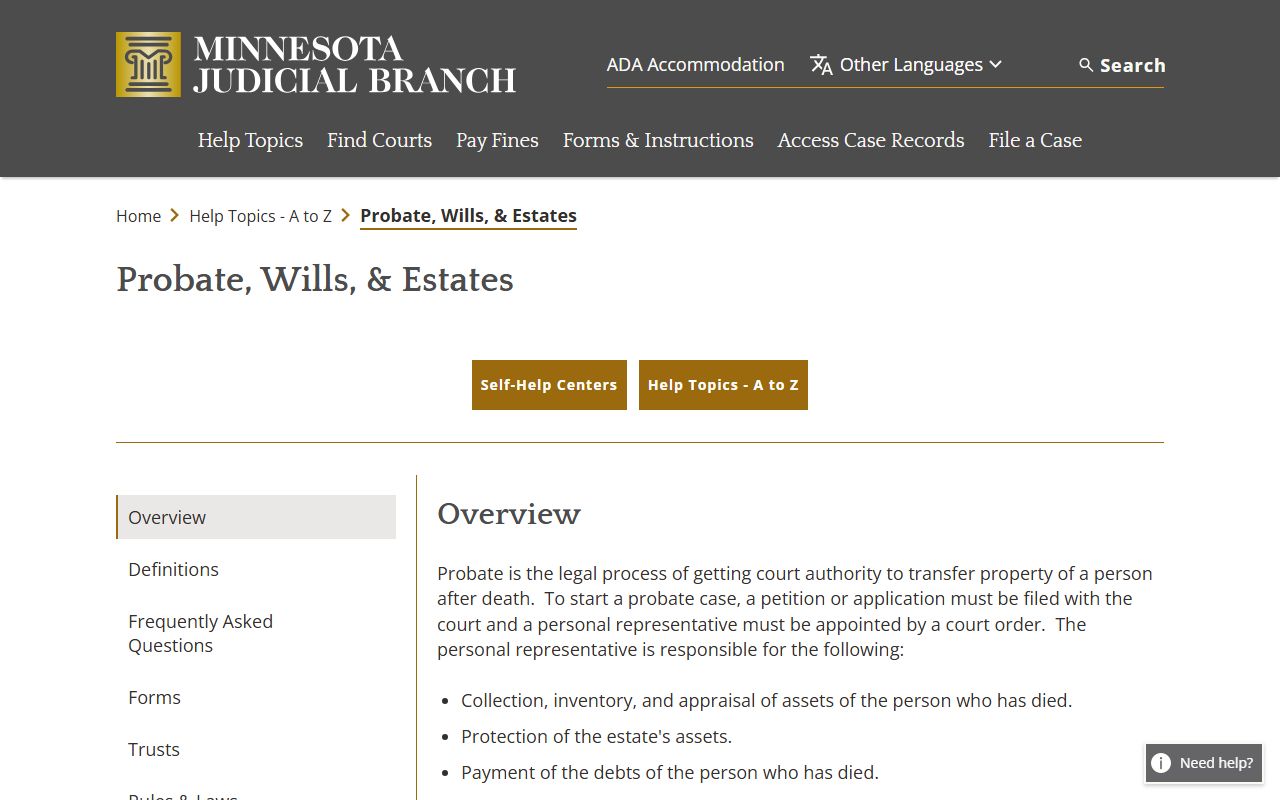
The probate help topic is the clearest overview of formal and informal probate under Minnesota practice.
Probate Office and Hearings
Yellow Medicine County District Court
415 Ninth Avenue
Granite Falls, MN 56241
(320) 722-7002
Monday-Friday, 8:00 a.m.-4:30 p.m.
Probate hearings may show up on the public Yellow Medicine court calendar. When a matter is restricted or more sensitive, the public calendar may show only limited information.
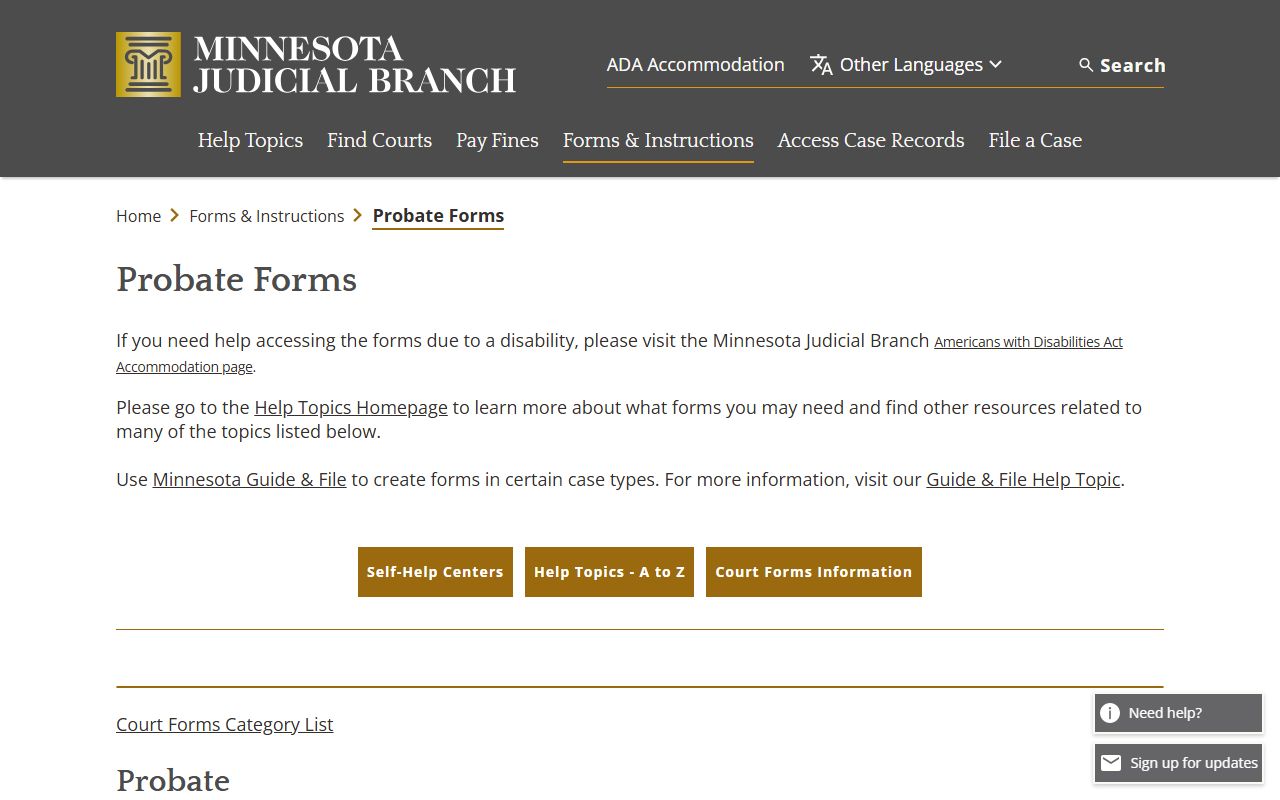
Use the forms page when you need a petition, notice, or appointment document rather than a general record search.
What Probate Records Show
Public probate records can include the petition, will, notice to heirs, appointment order, letters, inventory, creditor claims, accounting, and closing orders. Guardianship and conservatorship files can add medical or capacity-related filings, annual reports, and financial accountings. Some details are sealed or restricted, especially when minors or mental-health issues are involved.
Forms and Case Numbers
Probate filings often move by case number, so if you know the file number it is easier to pull the public docket or online document. If you do not know the number, search by the decedent or petitioner name in MCRO and then confirm the filing with Court Administration.
Citation and case number guide is useful when the filing paperwork only gives you a partial number.
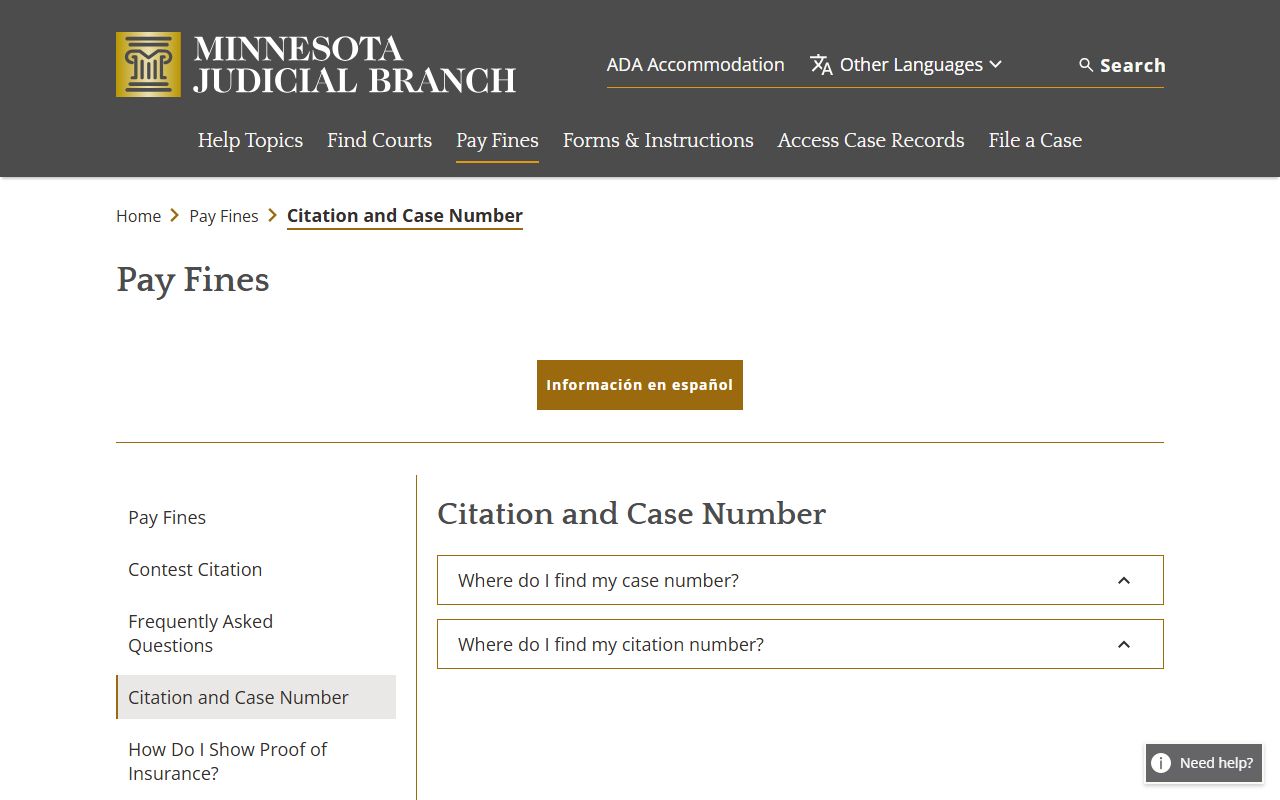
That guide is practical because probate files often show up in search results with a narrow case reference rather than a simple name-only index.
Restricted Probate Matters
Guardianship, conservatorship, and mental-health matters can be partially restricted, and some documents may not appear online. If a filing is sealed or sensitive, the safest route is to call Court Administration and ask which pieces are public and which require a courthouse visit or court order.